

























This Giant 4-Meter-Tall Black Coral in New Zealand Is Older Than Many Nations

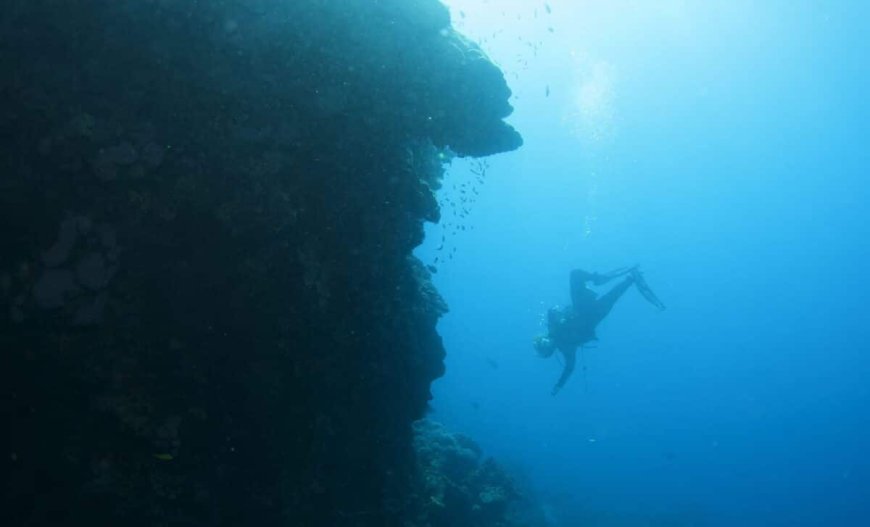
A team of researchers exploring the deep waters of Fiordland has uncovered an impressive black coral colony measuring 4 metres tall and 4.5 metres across. Estimated to be between 300 and 400 years old, this specimen ranks among the largest ever recorded in New Zealand waters.
The discovery occurred during an exploration mission in the deep waters of this remote region of the South Island. Scientists documented this massive colony which, according to their initial assessments, could be one of the largest ever observed around Aotearoa. The underwater plant, which benefits from legal protection, immediately sparked wonder among the divers present.
A Surprising Discovery in Fiordland
As explained by an article published by Victoria University of Wellington, Fiordland is known for its diverse marine life, and it’s no surprise that this area is home to some truly ancient creatures, including black corals. When marine biologist Professor James Bell saw the size of this particular formation, he couldn’t believe it.
“It’s by far the largest black coral I’ve seen in my 25 years as a marine biologist. Most black corals we come across when we’re diving are small, with the bigger ones usually less than two to three metres tall so finding this one was really cool.”

Richard Kinsey, senior biodiversity ranger at the Department of Conservation, was also part of the dive team. With nearly twenty years of experience as a marine ranger in Fiordland, he described the moment the sea plant appeared.
“To see such a large coral looming out of the darkness was pretty special. It’s rare to see a coral so big, it’s easily the largest one I can remember seeing,” he stated, clearly still marked by this underwater encounter.
Why Bigger Is Better for Sea Fans?
The size of this colony is not merely a curiosity for researchers. Large colonies hold major ecological interest because black corals grow slowly and depend on mature individuals to sustain their populations. The larger the oceanic structures, the more reproductive material they produce, making them essential for ensuring the species’ long-term survival.

According to information reported by Professor Bell, precisely identifying areas where these large specimens are found helps refine protection strategies.
“Pinpointing where large corals occur means we can better protect them by letting people know where not to anchor their boats or drop pots,” explained Professor Bell.
Keeping These Ancient Corals Safe and Sound!
Now that this giant coral has been discovered, researchers are working hard to map and protect other large black corals in the area. The team from Victoria University, in collaboration with the Department of Conservation and the Fiordland Marine Guardians, is aiming to identify and safeguard these ancient marine growth colonies to ensure their future survival. Professor Bell issued a call for public participation.
“We’d love to receive reports from anyone who knows of particularly large black corals that are greater than 4 m so we can map their distribution and find out how common such large coral colonies are throughout Fiordland,” he indicated.
It is worth noting that, although called black coral, the living colony appears white and only its internal skeleton has that characteristic dark colour.
Enjoyed this article? Subscribe to our free newsletter for engaging stories, exclusive content, and the latest news.
What's Your Reaction?
 Like
0
Like
0
 Dislike
0
Dislike
0
 Love
0
Love
0
 Funny
0
Funny
0
 Angry
0
Angry
0
 Sad
0
Sad
0
 Wow
0
Wow
0