























They heated them to 900°C (1,652°F) for 8 hours, and something unexpected happened: the rice husks and palm fronds barely formed the dreaded “rocks” that clog boilers… and Colombia might have a more reliable rural fuel than we thought

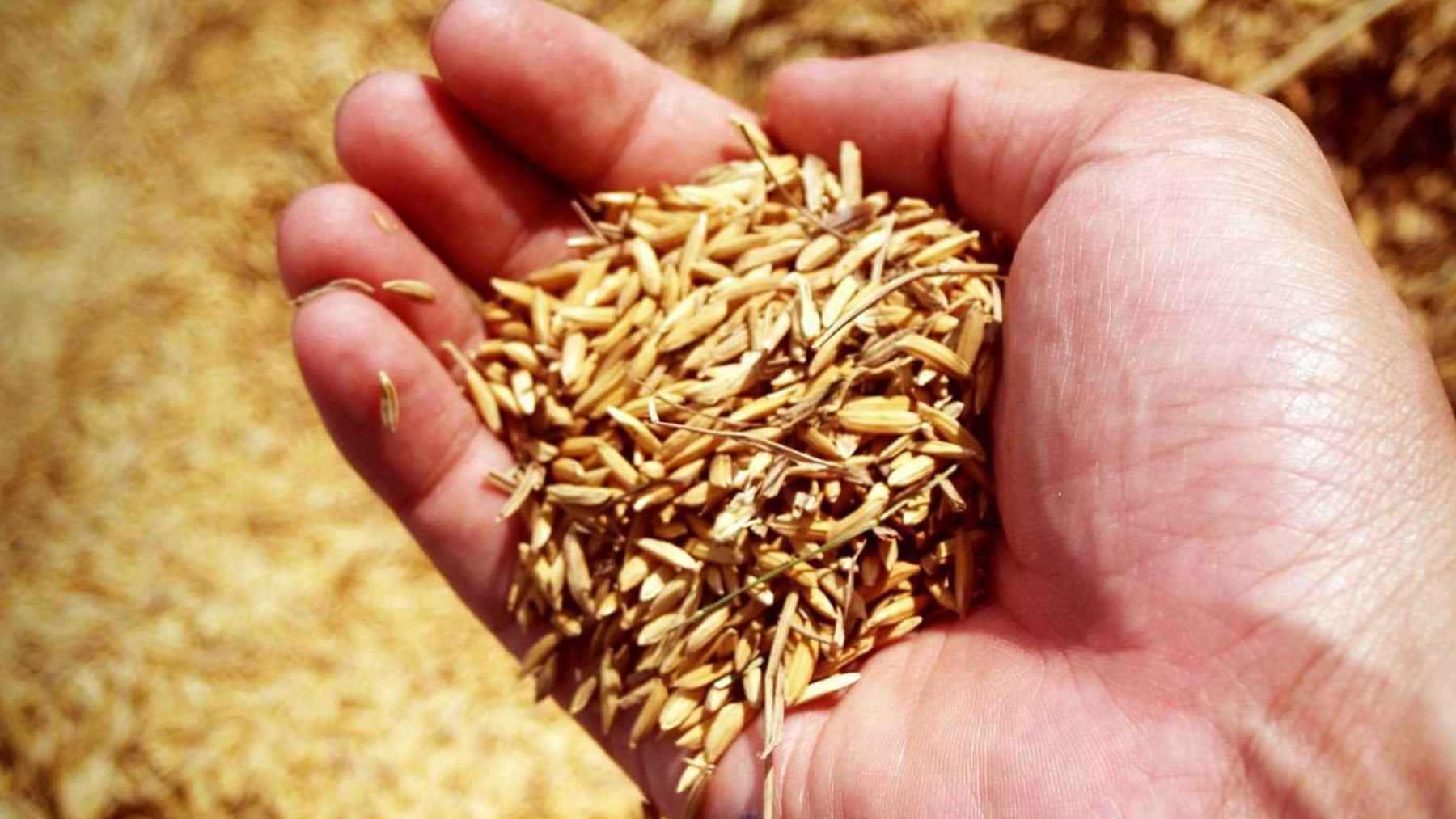
After a harvest, rice mills and palm oil plants are left with mountains of husk and hard shells, and too much of it still ends up wasted. A new study from the Universidad Nacional de Colombia suggests these leftovers could generate electricity more reliably than some other crop wastes because they are less likely to form the hard “rocks” that can shut biomass reactors down. The surprisingly important detail is silicon, a common element that can change how ash behaves under extreme heat.
That matters in places where the power lines end miles away and diesel fuel arrives late and expensive. Promigas and its foundation estimate that 9.6 million people in Colombia lived in energy poverty in 2022, and the problem hits remote rural areas far harder than big cities. Could farm waste help keep the lights on in a rural school or a small health post when the generator sputters out?
A stubborn problem inside biomass boilers
Many biomass systems burn fuel in a “fluidized bed,” a metal vessel where air keeps a bed of sand bubbling and mixing like boiling water. In the UNAL experiment, that bed was silica sand heated to nearly 1,652 degrees Fahrenheit (900 degrees Celsius), which is in the range used by industrial combustion.
The catch is ash. Minerals in plant material can react at high temperature and turn sticky, gluing sand grains together into clumps called agglomerates. If those clumps grow, they can stop the sand from moving and force an expensive shutdown
If you have ever scrubbed a pot with burnt food stuck to the bottom, you get the idea. The problem is not just messy, it can erase the efficiency gains that make “waste to electricity” appealing in the first place.
What the UNAL team tested
Mechanical engineer Sebastián Achury Ortiz built a lab-scale version of this kind of reactor to see which residues cause the most trouble. His system could process more than about 0.44 pounds of biomass per minute (over 200 grams per minute) and ran for eight hours, long enough to mimic sustained operation.
He fed three common residues into the same hot sand bed, coffee husk, rice husk, and palm kernel shell (known in Colombia as “cuesco”). Coffee husk produced agglomerates up to roughly 2.4 inches across (6 centimeters), while rice husk and palm residues left deposits under about 0.08 inch (2 millimeters).
Achury summed it up simply, saying that “the difference is in the chemistry of the ashes.” In the coffee sample, potassium and calcium reacted with the sand’s silica and helped particles stick, while the rice and palm ashes had more silicon and were less prone to clumping.
Why silicon changes the outcome
Rice husk is unusual among crop residues because it is naturally rich in silica, which is closely related to the same material found in sand. A review published in Materials reports that rice husk is about 20 percent of paddy rice by weight and can contain roughly 15 to 17 percent silica, depending on the crop and growing conditions.
That mineral mix matters when you are trying to keep a reactor bed loose and flowing. Even small shifts can push ash toward either a dry powder that stays manageable, or a sticky melt that grabs sand grains like caramel.
It also means a biomass plant has to think like a kitchen, not a fuel tank. Two truckloads labeled “agricultural residue” can behave very differently, so real-world plants often need feedstock testing, careful temperature control, and smart choices about bed materials.
Counting the fuel hiding in plain sight
So how much electricity could these residues support if the engineering holds up? FAO’s GIEWS Country Brief for Colombia estimates 2025 paddy output at about 3 million metric tons, which is about 3.3 million U.S. tons.
If husk is roughly one fifth of paddy rice by weight, Colombia could generate on the order of 660,000 U.S. tons of rice husk per year (about 600,000 metric tons) just from milling. That is a rough estimate, but it shows why engineers keep circling back to rice waste as a steady, concentrated fuel stream.
Palm residues add another stream. A Fedepalma presentation notes that Colombia has about 200,000 to 300,000 metric tons of palm kernel shell available for value-added uses each year, about 220,000 to 330,000 U.S. tons.
For rice husk, classic fluidized-bed research puts the heating value near 15 megajoules per kilogram, about 6,450 Btu per pound, and controlled combustion can leave ash that is largely silica, which is useful in some building and filtration products when processed correctly.
Energy poverty makes the stakes real
All this reactor chemistry would stay in the lab if it did not connect to daily life. Promigas estimates that 2 in 10 people in Colombia were energy poor in 2022, and it reports that remote rural energy poverty is dramatically higher than in large urban centers.
In practical terms, that can mean unreliable electricity for refrigeration, internet access, or simply having lights after sunset. Promigas also notes that some households still lack electricity access and many still rely on wood, charcoal, or waste for cooking, which brings health risks and environmental pressure.
Globally, the clock is moving fast too. The International Energy Agency and partner organizations warn that under current policies around 660 million people could still lack electricity access by 2030. That is why every local solution, from solar mini-grids to cleaner forms of biomass power, is getting more attention.
The road from lab bench to the power grid
Achury argues that converting residues to energy is viable, but he also points to what Colombia would need to get there, including investment and trained staff. He notes that countries like Sweden, Japan, and Austria already use similar systems with woody residues, which suggests the underlying technology is proven even if the fuels differ.
Colombia’s existing thermal plants were largely designed for coal, a more uniform fuel that is easier to control. Crop residues vary widely in moisture and mineral content, so scaling up would require careful design of fuel handling, combustion control, and ash management, otherwise those “rocks” can return.
There is also the sustainability question. Using waste that already exists can reduce open burning and cut diesel use, but rising demand should not worsen land-use change in sensitive areas, and research groups warn that indirect land-use change can be a real risk in supply chains like palm oil.
The press release was published on Agencia de Noticias UNAL.
What's Your Reaction?
 Like
0
Like
0
 Dislike
0
Dislike
0
 Love
0
Love
0
 Funny
0
Funny
0
 Angry
0
Angry
0
 Sad
0
Sad
0
 Wow
0
Wow
0