





























Scientists Spot Strange Fossil With a Claw Where It Shouldn’t Be, Revealing the Oldest Spider Ancestor Ever Found

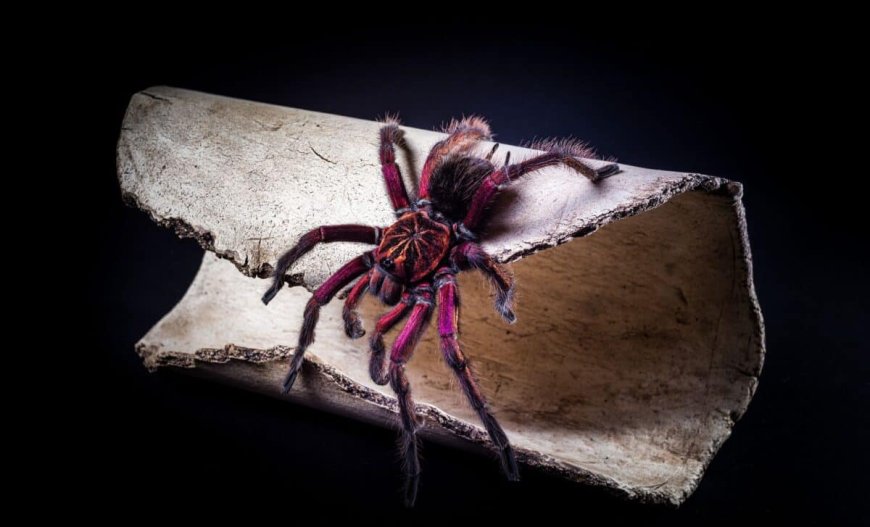
A Cambrian fossil has been identified as the oldest known member of the chelicerates, a group that includes spiders and scorpions. The specimen shows the earliest known example of a chelicera, a defining anatomical feature of this lineage.
The species, named Megachelicerax cousteaui, dates to about 500 million years ago. According to the study published in Nature, this finding extends the known history of chelicerates by approximately 20 million years.
A Surprising Claw Hidden in Plain Sight
The breakthrough came when Rudy Lerosey-Aubril, a research scientist at Harvard University, examined a Cambrian fossil and noticed something unusual. Research made public on April 1, 2026, shows that:
“Claws are never in that location in a Cambrian arthropod,” he said, as reported in the source article. “It took me a few minutes to realize the obvious, I had just exposed the oldest chelicera ever found.”
Further analysis showed that the structure is a chelicera, a pincer-like appendage characteristic of chelicerates. As explained in the new study, this is the first confirmed occurrence of such a structure in a Cambrian fossil, despite the large number of arthropod specimens from that period.

The fossil itself required more than 50 hours of preparation under a microscope. Using a fine needle, Lerosey-Aubril carefully exposed the anatomy, eventually revealing the feature that would redefine its classification.
A Complex Anatomy From Deep Time
The fossil shows a body composed of a head shield and nine segments. It also includes six pairs of appendages associated with feeding and sensory functions.

the underside of the organism contains respiratory structures comparable to the book gills observed in modern horseshoe crabs. These features support its classification within the chelicerate lineage. Javier Ortega-Hernández explained that:
“Megachelicerax shows that chelicera and the division of the body into two functionally specialized regions evolved before the head appendages lost their outer branches.”
He added that this finding helps connect the dots in the evolution of chelicerates.
“It reconciles several competing hypotheses; in a way, everybody was partly right.”
A New Timeline For A Major Animal Group
Before this discovery, the earliest known chelicerates dated back to around 480 million years ago during the Early Ordovician. The new fossil extends that timeline to approximately 500 million years ago, placing their origin earlier than previously established. The naming of the species also carries symbolic weight.
“Cousteau and his crew inspired generations to look beneath the surface,” Lerosey-Aubril added that: “A similar evolutionary pattern has been documented in other animal groups.”
The study noted that chelicerates today include more than 120,000 species, such as spiders, scorpions, mites, horseshoe crabs, and sea spiders, indicating the long-term persistence of this lineage.
“For thousands of years, these animals have quietly existed among us, deeply influencing our lives from pop-culture to medical and agricultural contributions.”
Enjoyed this article? Subscribe to our free newsletter for engaging stories, exclusive content, and the latest news.
What's Your Reaction?
 Like
0
Like
0
 Dislike
0
Dislike
0
 Love
0
Love
0
 Funny
0
Funny
0
 Angry
0
Angry
0
 Sad
0
Sad
0
 Wow
0
Wow
0