























Earth’s first major extinction event was worse than we thought and may have wiped out nearly 80% of species 550 million years ago

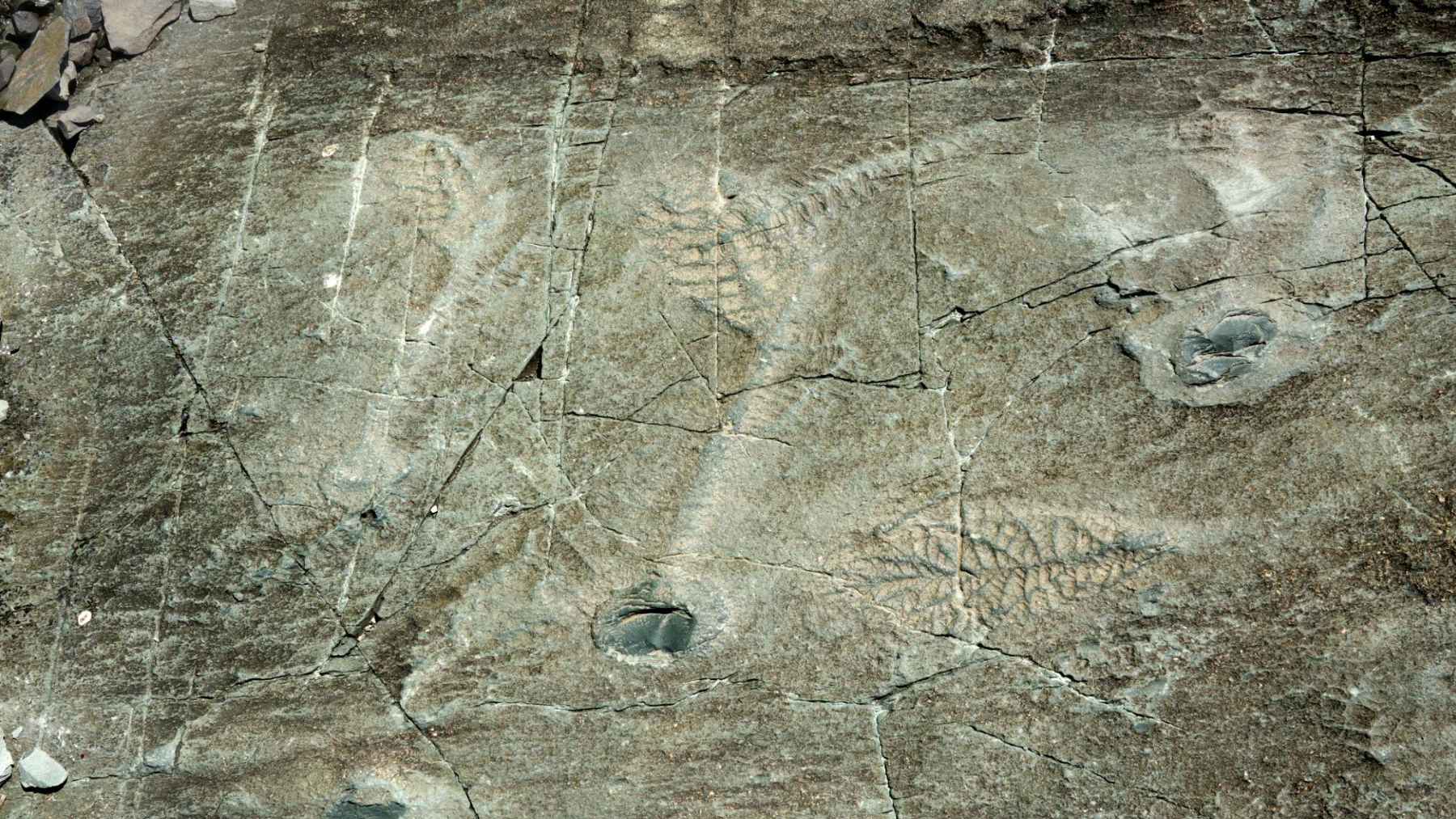
What did the first major extinction of animal life look like, back when complex creatures were still new to the planet? A new fossil analysis suggests it was not a slow fade, but a sharp crash that erased a huge share of early sea life around 550 million years ago.
Scientists now argue that the Kotlin Crisis may have wiped out about 80% of known large-bodied species in the fossil record from that time, up from earlier estimates closer to 65%. The change comes from exceptionally well-preserved fossils found at Inner Meadow in Newfoundland, along with dating that shows some “older” creatures survived right up to the extinction.
The Kotlin Crisis in plain terms
The Kotlin Crisis took place late in the Ediacaran Period, a stretch of Earth history when life was almost entirely ocean-based. Many animals then were soft and strangely shaped, and they often left behind only shallow impressions, not hard shells or bones. That is one reason this extinction has been debated for decades.
Researchers often sort Ediacaran fossils into groups called assemblages, meaning communities that tend to appear together in rocks. Those groupings have been treated like time markers, a bit like chapters in a history book, including a low-diversity Nama Assemblage that appears after the Kotlin Crisis. The new evidence suggests at least two of those chapters may overlap more than we thought.
A fossil surface hiding in plain sight
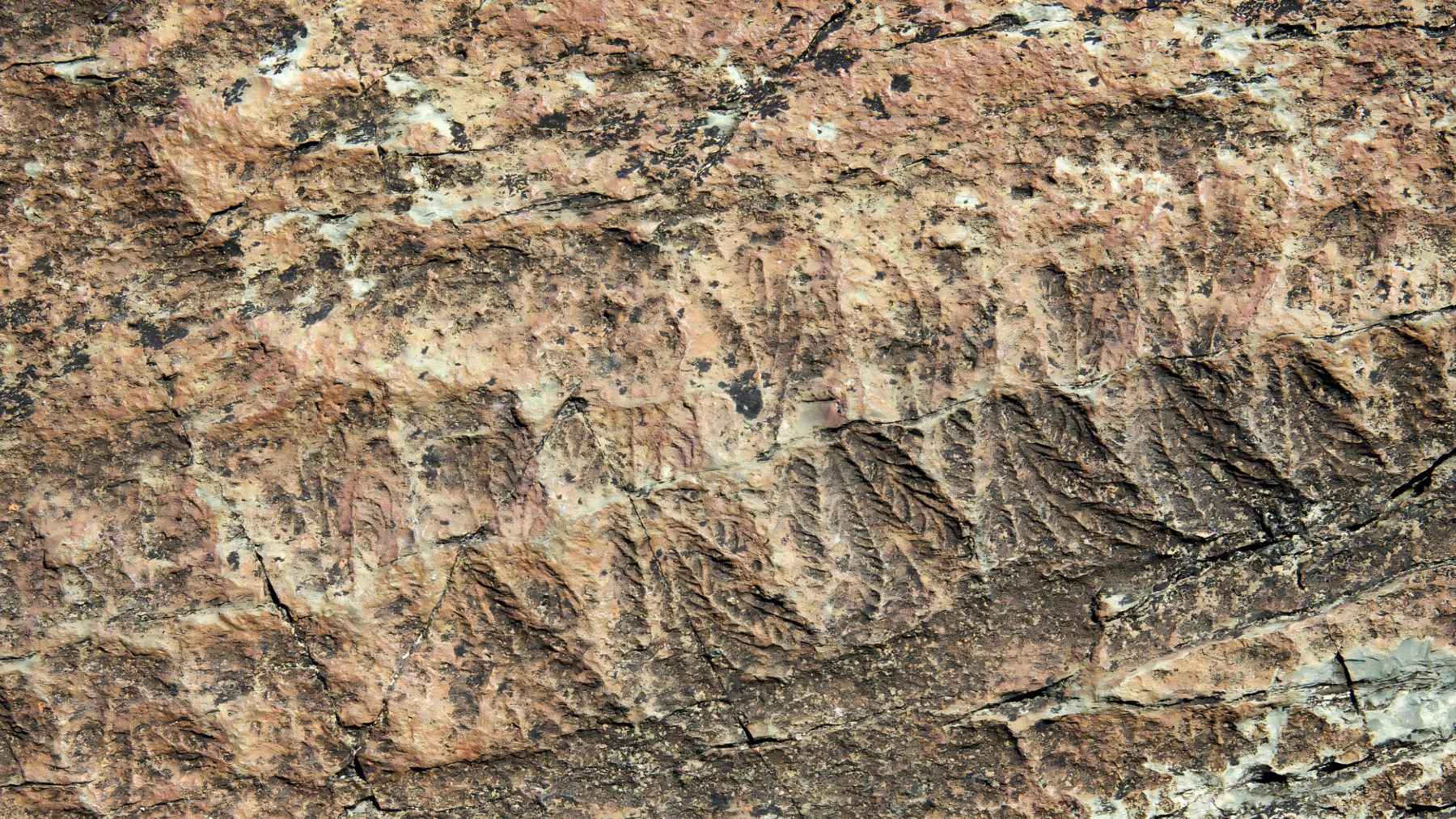
The Inner Meadow site sits on Newfoundland’s Avalon Peninsula, and its fossil surface preserves at least 19 genera in unusually crisp detail. Lead author Duncan McIlroy at Memorial University of Newfoundland says the team knew right away it was special. “As we pulled back the moss and soil on the first day, it was clear that it was a very special site,” he said.
Many of the fossils are frondlike “suspension feeders,” meaning they likely lived attached to the seafloor and caught food particles drifting in the water. Some Ediacaran organisms could reach a little over 3 feet long, so this was not a microscopic world. A readable background feature on related Inner Meadow discoveries is available at Gazette.
Volcanic ash helped set the clock
To pin down the age of the fossil layer, the team used zircon crystals that formed in volcanic ash and later settled into the seafloor sediments. Zircon can trap uranium when it forms, and that uranium changes at a steady pace over time. By reading that natural “clock,” the researchers estimated the Inner Meadow fossils are about 551 million years old, give or take roughly 600,000 years.
That date is younger than many previous estimates for similar deep-water communities, which is why it matters so much. It suggests the Avalon Assemblage and the more shallow-water White Sea Assemblage were alive at the same time, and their differences may reflect environment rather than age. Earlier work that helped build the regional timeline includes a 2021 study from Mistaken Point Ecological Reserve listed at.
Lidya Tarhan at Yale University, who was not involved in the new research, has pointed out that Ediacaran fossil sites are relatively rare worldwide. When a new site comes with strong dates and high diversity, it can force a rethink. In this case, it suggests some creatures thought to have vanished earlier actually held on longer.
Why the death toll jumped to 80%
So how does a new date change an extinction’s severity? If “Avalon-type” organisms were still around just before the Kotlin Crisis, then the crisis likely hit a broader range of ecosystems than scientists assumed. That pulls more species into the event and raises the estimated loss to around 80% of known macroorganisms, which are fossils big enough to see without a microscope.
In everyday terms, that is roughly four out of five species disappearing in a geologic blink. Shuhai Xiao at Virginia Tech, also not involved in the study, said the extinction “rivals its later and more famous counterparts in terms of percentage of animals lost.”
A summary of the updated estimate and its implications is laid out in a Geological Society of America news release.
The comparison to the dinosaur-killing event 66 million years ago is not about the same kinds of animals, or the same total number of deaths. It is about proportions. When the fossil record points to losses on the order of 80%, scientists take notice, even with all the usual uncertainty baked into deep time.
The cause is still a mystery
What actually triggered the Kotlin Crisis remains unsettled, and that uncertainty is part of the story. One leading idea is a drop in ocean oxygen, which would have made life on the seafloor much harder, a bit like how a crowded room feels when the air gets stale. Another possibility is that early predators, including distant relatives of modern jellyfish, changed the survival game in ways the fossil record is only starting to capture.
Researchers also expect the picture to sharpen as more fossils are described from Inner Meadow and other sites. Work on Ediacaran communities in Newfoundland is already reshaping details of how these organisms lived, including how some fossils were oriented and grew in moving water, as discussed in a 2022 paper in Frontiers in Earth Science. The lead study itself can be found via.
For now, the key point is simple. Earth’s first major animal extinction may have been a true mass extinction after all, and it happened roughly a dozen million years before the Cambrian radiation around 538 million years ago. That missing page of the fossil record is starting to look a lot more readable.
The original study was published in Geology.
What's Your Reaction?
 Like
0
Like
0
 Dislike
0
Dislike
0
 Love
0
Love
0
 Funny
0
Funny
0
 Angry
0
Angry
0
 Sad
0
Sad
0
 Wow
0
Wow
0