





























A Country Is Covering Its Barren Fields with Sheep’s Wool, and the Results Are Turning Heads

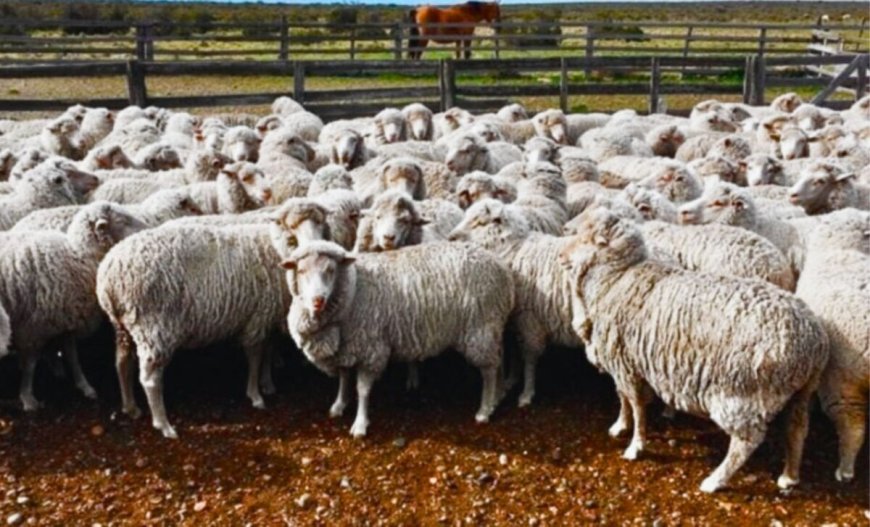
In the sheep farming regions of New South Wales, a peculiar transformation is underway. Spread across paddocks where crops have not grown properly for years, farmers are laying down a material that was, until very recently, considered a costly nuisance. The material is wool. Not the fine, export grade merino destined for suit jackets, but the coarse, thick, and often short fiber that accumulates in shearing sheds with no buyer and no purpose.
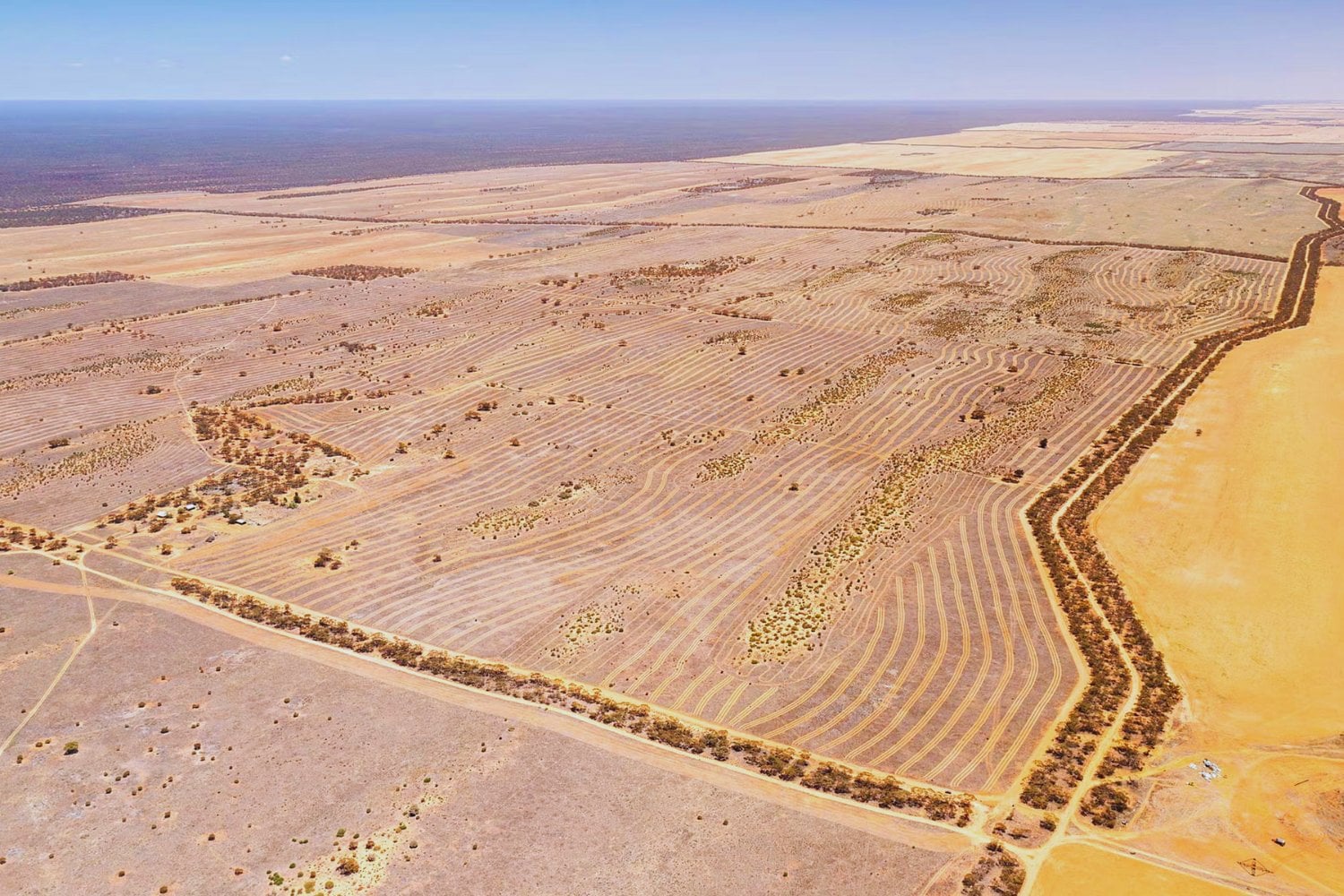
For years, the two problems existed in parallel. Soil scientists documented a steady decline in agricultural land, where organic matter had been farmed out of existence and rain no longer penetrated the surface. Meanwhile, graziers watched piles of unsold wool grow, paying for storage or disposal of a material that cost more to handle than it could ever fetch at market. The connection between these two failures was not immediately obvious. It is becoming clear now.
The core tension is this: agriculture has spent decades developing synthetic solutions for soil fertility and water retention, products that require significant energy to manufacture and carry environmental costs of their own. But the wool growing on the backs of 70 million sheep across Australia contains precisely the elements that degraded soil lacks. Nitrogen, sulfur, carbon, and a molecular structure engineered by evolution to manage moisture. The question, tested in field trials across several states, is whether a material rejected by the textile industry can succeed where industrial chemistry has reached its limits.
What 35 Percent Less Evaporation Looks Like on the Ground
Records from field trials conducted in New South Wales between 2022 and 2025 show measurable changes in soil behavior following wool application. A detailed account of these experiments, published by a Spanish technology outlet, describes how a layer of wool several centimeters thick reduced evaporation by up to 35 percent compared to untreated plots. Soil moisture remained stable for nearly twice the duration achieved with conventional organic mulch, based on measurements taken across multiple drying cycles.
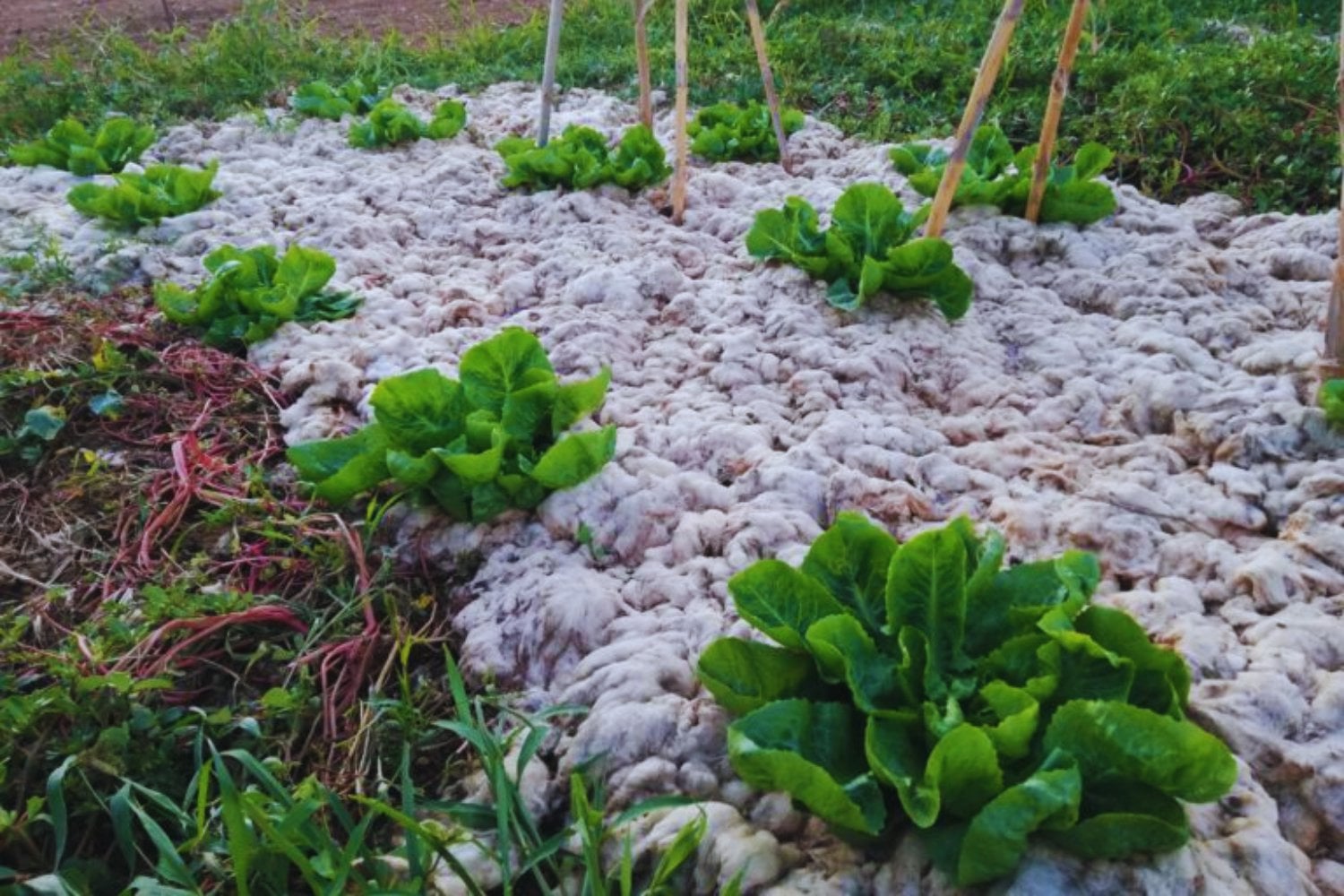
The biological response followed. Sampling data indicates microorganism density increased between 30 and 50 percent within months of application. This matters because microbial activity is the mechanism by which dead soil becomes living soil. Microorganisms break down organic matter, cycle nutrients, and create the physical structure that allows roots to penetrate and water to infiltrate. Their return signals a reversal of the degradation process.
Researchers involved in the trials reported that after a single dry season in Queensland, abandoned fields showed measurable changes. The soil stopped blowing away in wind, retained moisture, and regained texture. The phrasing used in project documentation is restrained: the soil transitioned from dust back to soil. That is not metaphorical language. It describes a physical change in particle cohesion and water behavior that can be measured in a laboratory.
Keratin, Hygroscopy, and the Physics of Fertility
The mechanism underlying these results is documented in a February 2025 review published in the journal Agronomy by researchers from Italy’s National Research Council. The comprehensive analysis, explains that wool fibers consist of approximately 16 to 17 percent nitrogen, 3 to 4 percent sulfur, and 50 percent carbon. These elements are bound in keratin, a protein structure that resists rapid decomposition. That slow release means nutrients release gradually, unlike synthetic fertilizers which can leach into groundwater within weeks.
The same structure gives wool its hygroscopic properties. Fibers can absorb between 1.5 and 2 times their own weight in water, holding it near the root zone where plants can access it. When mixed into soil, the fibers create micro air pockets, addressing the compaction that often accompanies degradation. The combination of moisture retention and aeration is unusual. Most soil amendments provide one or the other.
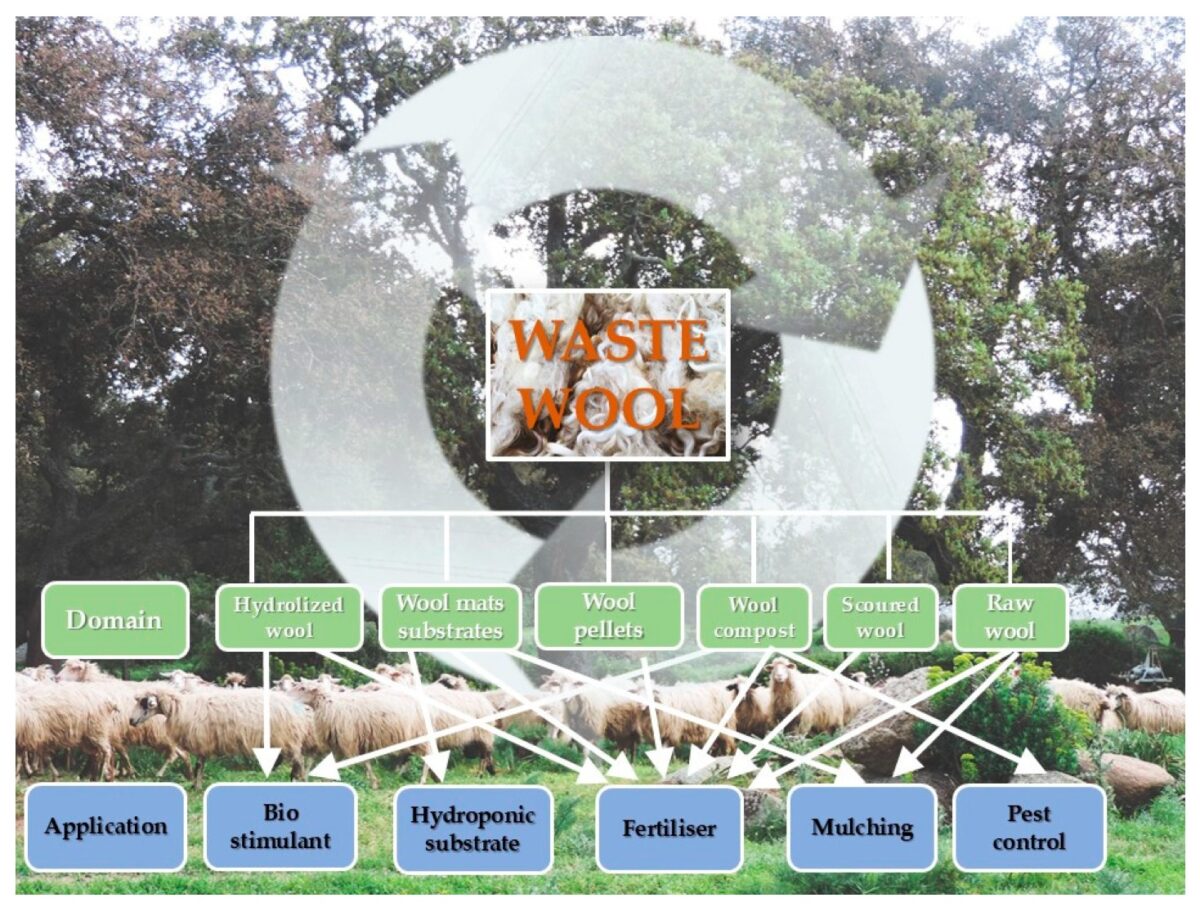
Processing has proven necessary to avoid problems with raw wool, which tends to clump and can block water movement. Commercial operations have developed two forms. Wool granules are ground and compacted residues mixed into the soil. Measurements show this form extends moisture retention time by 25 to 40 percent. Wool composites combine fibers with organic matter and microorganisms to accelerate decomposition and synchronize nutrient release with plant demand.
From Shearing Shed Liability to Rural Jobs
The volume of material available is substantial. Data from the 2024 2025 season shows Australian wool production at 279 million kilograms, a 12 percent decline from the previous year. Of that total, an estimated 200,000 tons accumulate annually as waste across farms nationally. The term waste here is economic rather than qualitative. The fiber is physically identical to wool that commanded prices a decade ago, but global demand for raw wool has contracted and prices no longer cover shearing costs.
© Pino Ruju, Agris Sardegna
In Victoria during 2024, more than 40 wool recycling startups began operations, creating approximately 2,500 jobs in rural areas. A review of the sector’s potential, published on the platform Zootechnical.com, noted that from each ton of surplus wool, processors can produce nearly 900 kilograms of pellets. Those pellets have a market value roughly three times that of raw wool. The calculation shifts waste disposal cost to revenue generation.
European researchers are examining similar applications for the continent’s surplus wool. Much of Europe’s wool comes from dairy and meat breeds, producing coarse fibers unsuitable for textiles. In Poland, studies on wool from mountain sheep documented improved rooting, taller stems, and higher yields in winter wheat. Trials in Germany, Austria, and Italy are testing wool based mulches and soil amendments under European growing conditions.
Enjoyed this article? Subscribe to our free newsletter for engaging stories, exclusive content, and the latest news.
What's Your Reaction?
 Like
0
Like
0
 Dislike
0
Dislike
0
 Love
0
Love
0
 Funny
0
Funny
0
 Angry
0
Angry
0
 Sad
0
Sad
0
 Wow
0
Wow
0