































State of California sues 3D printer filament company Polymaker for promoting ghost guns by marketing to 3D-printed gun community

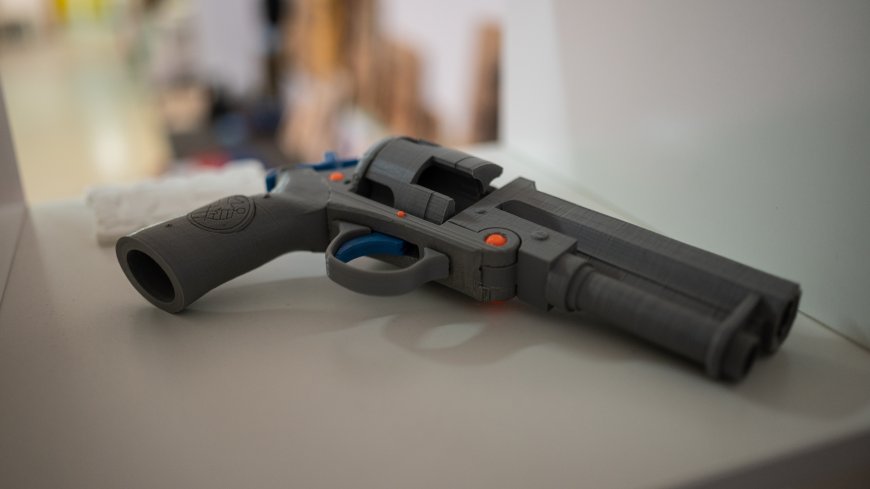
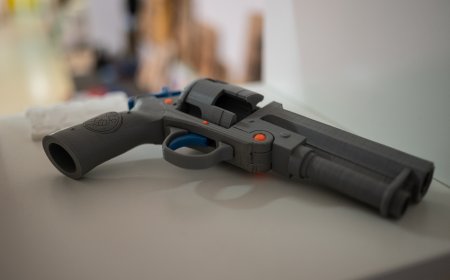
California is taking another swing at banning 3D-printed “ghost guns,” and this time the target is one of the world’s largest manufacturers of 3D printing filament. Polymaker LLC, headquartered in Shanghai with U.S. operations based in Houston, was named in a civil lawsuit filed October 5, 2026, by San Diego County Counsel on behalf of the People of the State of California. The complaint alleges that Polymaker marketed its filament in such a way as to appeal to gun enthusiasts and thus transform harmless PLA into a regulated “firearm precursor part.”
Under California law, a firearm precursor part is “defined to include any article marketed or sold to the public to become or be used as the frame or receiver of a functional firearm once completed, assembled or converted,” according to the civil complaint filed in San Diego County Superior Court. The County seeks disgorgement of profits, civil penalties and injunctive relief.
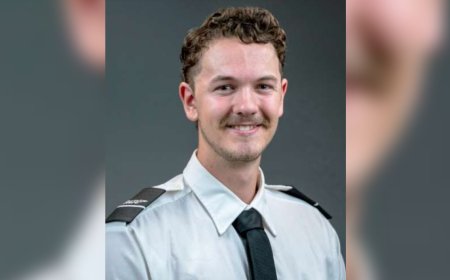
The complaint acknowledges that 3D printing filament itself is not illegal. But prosecutors argue that Polymaker actively cultivated and monetized the “ghost gun” community by supporting and then hiring Sean Aranda, who goes by The 3D Print General on social media. Aranda, a 3D printing expert, book author, and gun enthusiast, was banned from YouTube in 2023 over firearm policy violations. His YouTube channel at the time had 123K subs. Polymaker, which had been sponsoring his channel with a special edition creator spool of khaki colored PLA Pro, came to his rescue with a job offer. He became the Head of Customer Experience, which entailed fostering Polymaker’s online community and attending community festivals with the company. He is now a Senior Technical Account Manager for Polymaker.
Aranda is mentioned 65 times in the 39-page People v. Polymaker complaint. The prosecution implies that Aranda was specifically hired for his connection to the 3D printing gun community and not that he was simply a qualified individual searching for a job away from content creation. 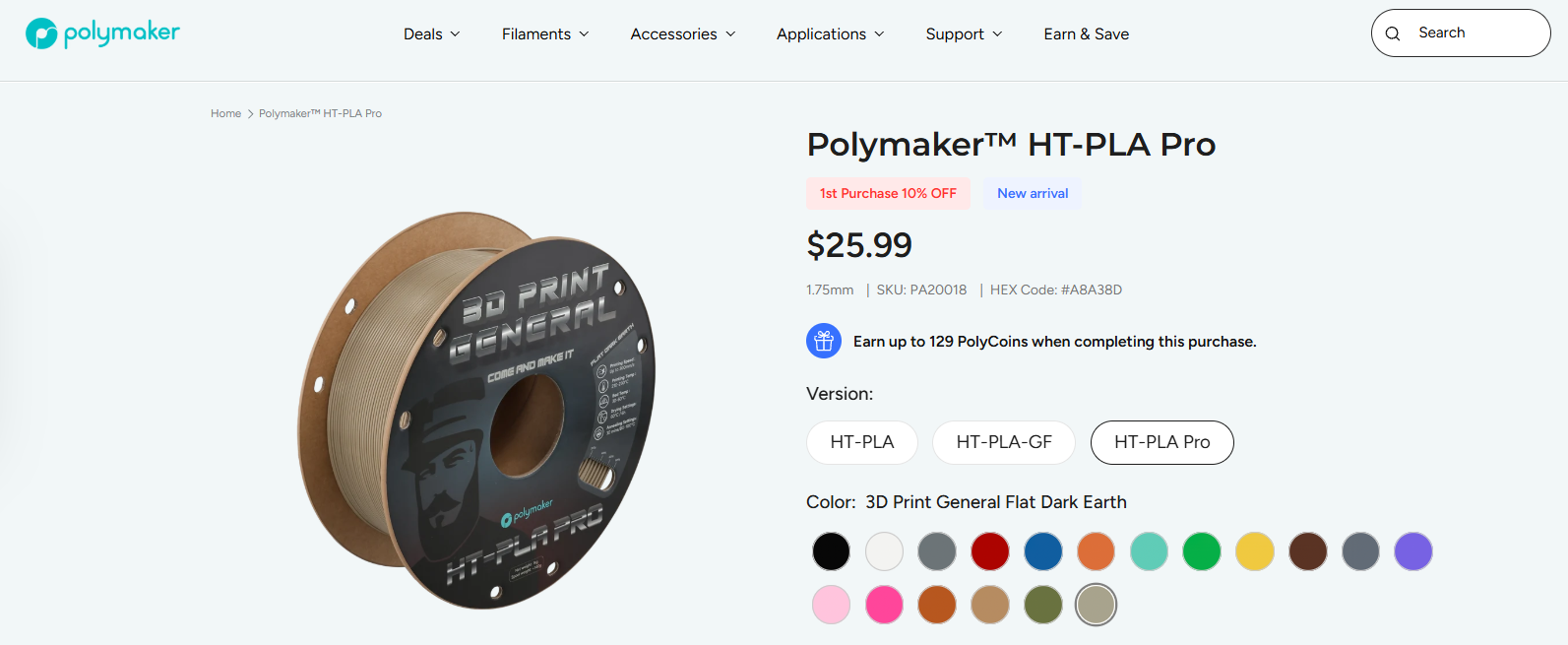
The prosecution attempts to link a common marketing tactic used within the online creator community to the illegal proliferation of ghost guns: affiliate links. Affiliate links are used by content creators to promote the products they use, be it spools of PLA, energy drinks, or dog food. When an audience member clicks a link and makes a purchase, the content creator is awarded a small percentage of the sale.
Polymaker supports all manner of 3D printing content creators, and the application for affiliate links is publicly posted on its website. The application asks for your name, location, and number of followers on assorted platforms. It does not ask what type of content you create or how big your audience might be. “Whether you run a YouTube channel, a TikTok account, or a niche 3D printing blog, you're welcome here. If you love Polymaker, you qualify.”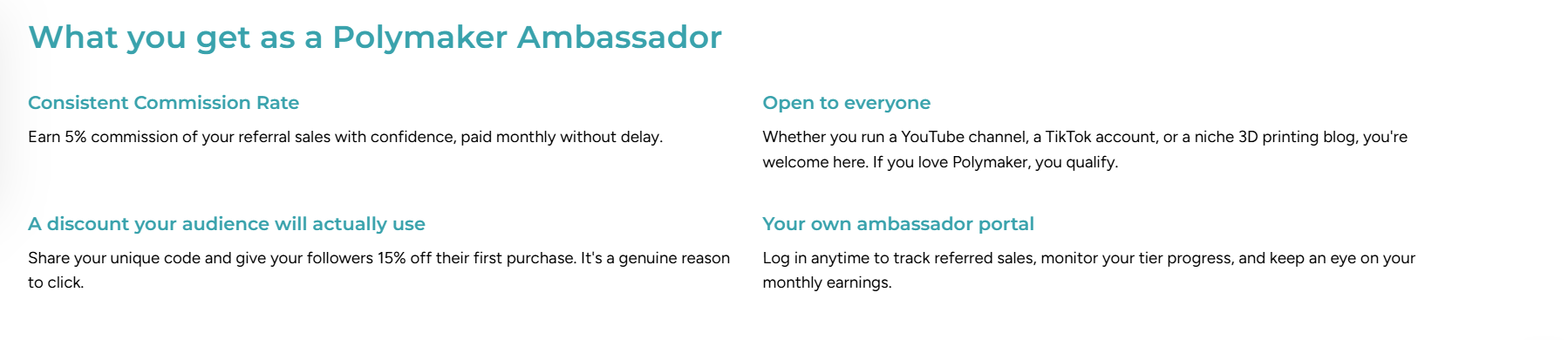
The lawsuit is presented by San Diego County’s new Consumer Fairness and Public Protection Division. If it prevails, the ramifications will extend far beyond 3D-printed firearms. If a manufacturer in Texas can be held civilly liable in California because a YouTuber used that product to do something that is not against the law in their home state, every raw material supplier, software developer, and desktop hardware manufacturer operating in the digital age could find itself in the crosshairs.
What's Your Reaction?
 Like
0
Like
0
 Dislike
0
Dislike
0
 Love
0
Love
0
 Funny
0
Funny
0
 Angry
0
Angry
0
 Sad
0
Sad
0
 Wow
0
Wow
0