





That lump on your back is NOT normal: a “buffalo hump” could be an early sign of diabetes, high cholesterol, or liver damage… and almost no one knows how to spot it in time

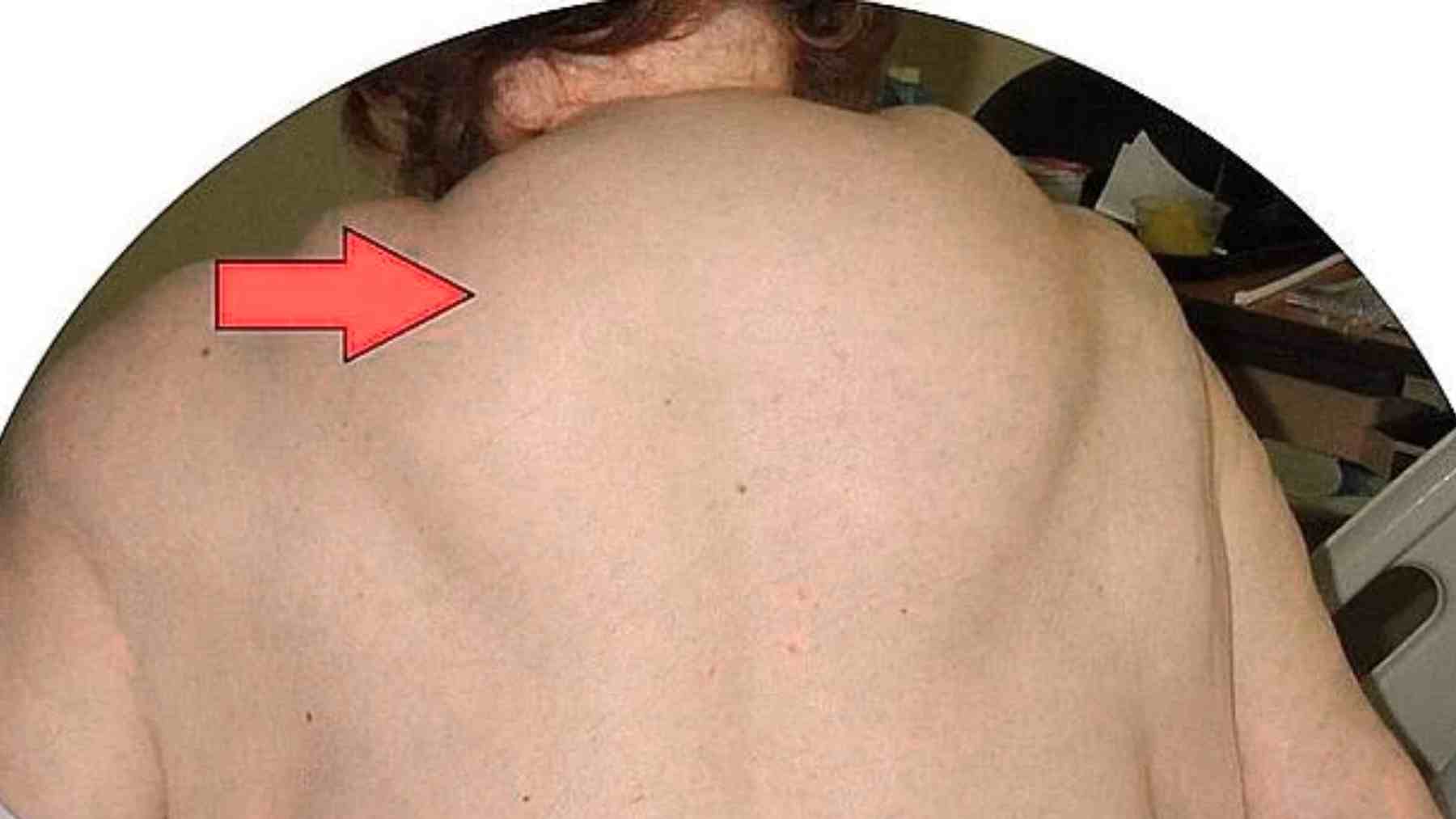
If you have ever noticed a lump of fat building up at the base of the neck, you might have brushed it off as posture, aging, or just how your body stores weight. But what if that bump is trying to tell you something about your blood sugar or your liver.
A new study suggests that the so-called “buffalo hump” can sometimes be an externally visible clue to metabolic disease, even in people who are not living with HIV. In this small review from South Korea, patients with the neck and upper back fat buildup had high rates of hypertension, diabetes, and abnormal lipids, and a few learned they had a chronic condition only after coming in for the hump.
A “buffalo hump” is a real medical sign
Doctors call the condition cervicodorsal lipodystrophy, which basically means abnormal fat accumulation around the upper back and neck. It has a long history in HIV medicine because certain older antiretroviral drugs, especially protease inhibitors, were associated with dramatic fat redistribution.
But the study highlights an overlooked reality. Similar fat pads can appear without HIV and without antiretroviral therapy, and they may show up in people who feel fine in day-to-day life. That matters because a visible body change is sometimes the only “check engine light” someone gets before metabolic problems start causing long-term harm.
What the researchers actually did
The team retrospectively reviewed 12 HIV-negative patients treated at a tertiary hospital between 2012 and 2022, most of them women. The average age was about 57, and all received neck MRI scans to confirm diffuse fat buildup and rule out other problems such as lipoma or soft tissue tumors.
Then they looked at basic metabolic health markers that many of us have seen on a routine lab printout. They reviewed blood pressure history, diabetes status, lipid levels, and liver function tests, and they compared those numbers between people with prior diagnoses and those who were newly diagnosed after coming in for the hump.
The average Body Mass Index was about 30, and hypertension and diabetes were each present in 66.7% of patients, while hyperlipidemia was present in 75%. The newly diagnosed group tended to be younger and slightly heavier, but with only 12 patients the differences did not reach statistical significance.
The cosmetic visit that turned into a diagnosis
Three of the 12 patients were newly diagnosed with chronic metabolic disease after the cervicodorsal fat pad brought them into care. In other words, the hump itself acted as the entry point for testing, referrals, and treatment planning.
One patient, a 60-year-old woman with no prior chronic illness, was found to have elevated liver enzymes, a fasting glucose of 144 mg/dL, and a total cholesterol of 271 mg/dL, and she was then diagnosed with type 2 diabetes and hyperlipidemia. Another patient, a 56-year-old man, had an HbA1c of 7.1% and abnormal liver enzymes and was also diagnosed with type 2 diabetes.
A third case involved a 21-year-old woman who initially wanted cosmetic evaluation and was later diagnosed with fatty liver disease after abnormal liver tests and high triglycerides were found. Many clinicians now use the term metabolic dysfunction associated steatotic liver disease (MASLD) for this condition, replacing “NAFLD” in much of the medical literature.
Why HIV is not the only explanation
Outside of HIV care, a dorsocervical fat pad can be linked to several conditions and exposures. The authors note that it is also seen with obesity, long-term glucocorticoid use, and endocrine disorders such as Cushing syndrome, although none of their patients had known long-term steroid exposure and typical Cushing features were not observed in chart review.
Still, the overlap is exactly why this physical sign can be clinically useful. If a person shows up with a prominent upper back fat pad, it can prompt clinicians to think beyond appearance and consider whether insulin resistance, dyslipidemia, and high blood pressure are also in the picture.
What “metabolic screening” looks like in real life
The researchers are not saying a buffalo hump equals diabetes or liver disease. Their conclusion is more cautious, and it is worth repeating that the sample size is small, so the findings are exploratory rather than definitive.
In practical terms, screening can be straightforward. It usually means checking blood pressure and ordering basic labs such as fasting glucose, HbA1c, a lipid panel, and liver enzymes, which is the same baseline panel used for every patient in this review. The authors also note there is no standardized international diagnostic algorithm for buffalo hump, which makes simple screening steps even more valuable when clinicians spot it.
A bigger backdrop of metabolic risk
This study lands at a time when metabolic disease is not rare, it is common. In the United States, national survey data show an adult obesity prevalence of 40.3% in 2021 through 2023, and severe obesity has continued to rise even when overall obesity trends look more stable.
Public health experts increasingly point to the places we live as part of the equation, including access to healthy food and safe spaces to be active. Think sidewalks, parks, and grocery options that make a healthy choice feel realistic on a Tuesday night. That is the kind of real-world context that makes a visible clue like a buffalo hump worth taking seriously, especially for people who have not had a checkup in years.
More research will be needed to confirm how strongly this sign predicts metabolic disease in the wider population and what the best screening pathway should be. The study was published on Journal of Clinical Medicine.
What's Your Reaction?
 Like
0
Like
0
 Dislike
0
Dislike
0
 Love
0
Love
0
 Funny
0
Funny
0
 Angry
0
Angry
0
 Sad
0
Sad
0
 Wow
0
Wow
0