






























Hidden in Wall Crevices, Scientists Discover a Tiny Spider That Hunts Prey 6 Times Its Size

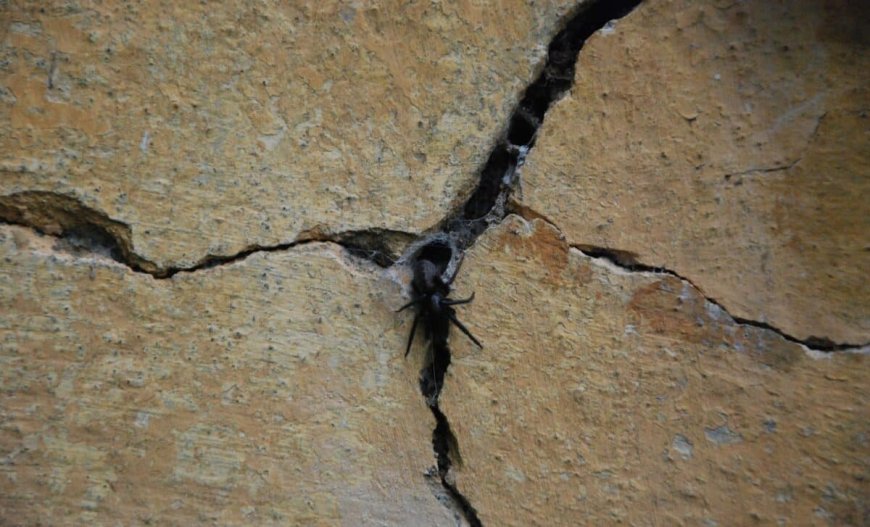
A newly identified spider, Pikelinia floydmuraria, is catching scientists’ attention for what it can do despite being only a few millimeters long. Living quietly in wall crevices, it manages to capture prey up to six times larger than itself while feeding on insects commonly found in cities.
Discovered by researchers from several South American institutions, this species adds to the still limited knowledge of the Pikelinia genus. Its name is a nod both to Pink Floyd and to its habit of living in walls, a detail that directly connects its biology to its environment.
By feeding on insects like mosquitoes and flies, this spider may help regulate populations that humans deal with daily, even if most people never notice it.
A Name Inspired By Walls And Music
The name Pikelinia floydmuraria combines scientific description with a cultural reference that stands out. The term “muraria,” from Latin, points to the spider’s tendency to live in walls, while “floyd” references Pink Floyd, the British rock band formed in London in 1965, subtly echoes their album: The Wall.

According to research published in Zoosystematics and Evolution, the species was identified through close morphological study of specimens collected in urban areas.
“Despite recent taxonomic advances, the ecology and biology of this group remain poorly understood. A study conducted in southern Brazil provided some preliminary insights into the ecology and phenology of one species; however, much remains to be explored,” said the authors.
A Surprisingly Capable Hunter
Even at just 3 to 4 millimeters in size, Pikelinia floydmuraria shows impressive hunting behavior. Researchers observed it capturing ants much larger than itself, sometimes up to six times the size of its own body, which is not something typically expected from such a small spider.
Its diet includes insects from several groups, such as Hymenoptera (ants), Diptera (flies and mosquitoes), and Coleoptera (beetles). As explained in the same study, similar feeding habits were seen in a related population in Armenia, Colombia, suggesting that this behavior is not isolated and may be typical for the genus.

Why Do They Hunt Near Light?
One detail that stands out is where the spider builds its web. It tends to choose spots near artificial lights, where insects like mosquitoes and houseflies are more likely to gather. This gives it a steady supply of prey without much effort.
According to the researchers, this strategy takes advantage of the natural attraction insects have to light, making the spider’s hunting more efficient. The study also looked at Pikelinia fasciata from the Galápagos Islands, describing the female anatomy in detail for the first time.

As reported in the research, strong similarities between that species and P. floydmuraria, especially in male reproductive structures, suggest a possible link between them. Scientists are not yet sure if this comes from a shared ancestor or similar environmental pressures, and further DNA studies will be needed to clarify that point.
Enjoyed this article? Subscribe to our free newsletter for engaging stories, exclusive content, and the latest news.
What's Your Reaction?
 Like
0
Like
0
 Dislike
0
Dislike
0
 Love
0
Love
0
 Funny
0
Funny
0
 Angry
0
Angry
0
 Sad
0
Sad
0
 Wow
0
Wow
0